


 English
 Español
 Portugues
 Pусский
 Français
 Deutsch
 日本語
日本語 한국어
한국어 العربية
 Italiano
 Nederlands
 Polski
 ไทย
ไทย Türk dili
 Indonesia
 Melayu
 Tiếng Việt
 বাংলা
বাংলা


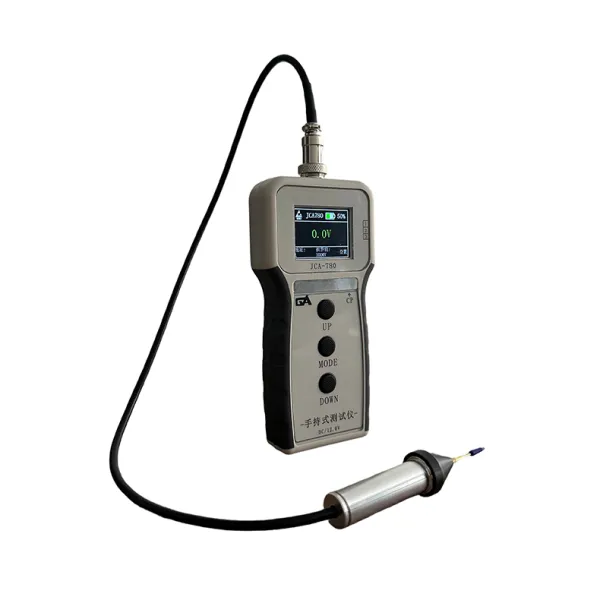


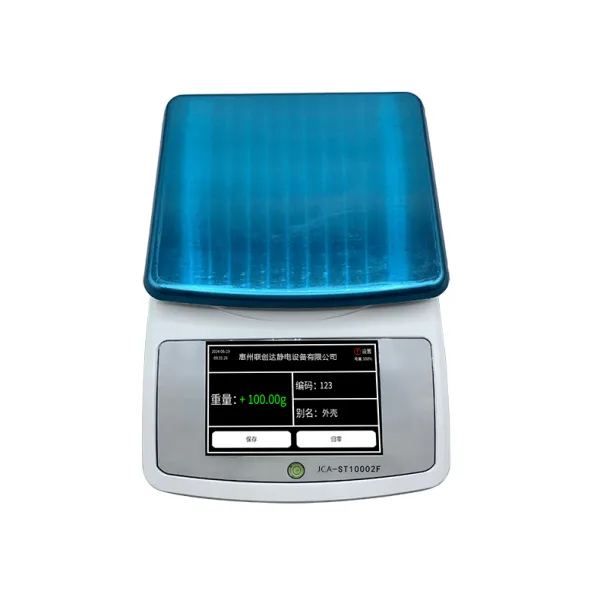
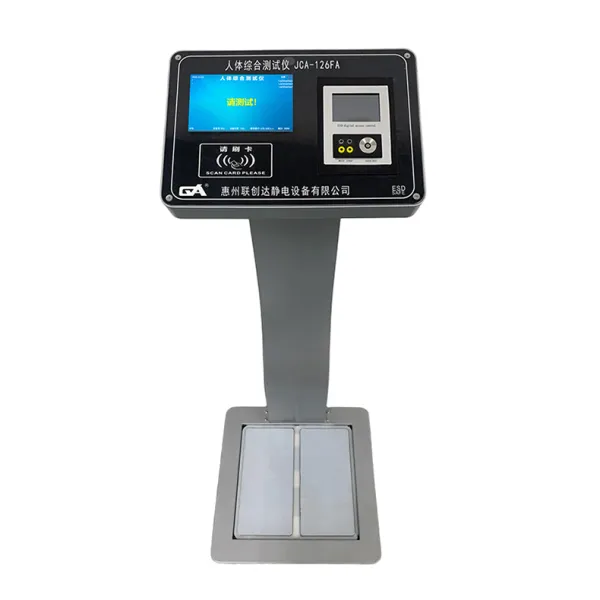
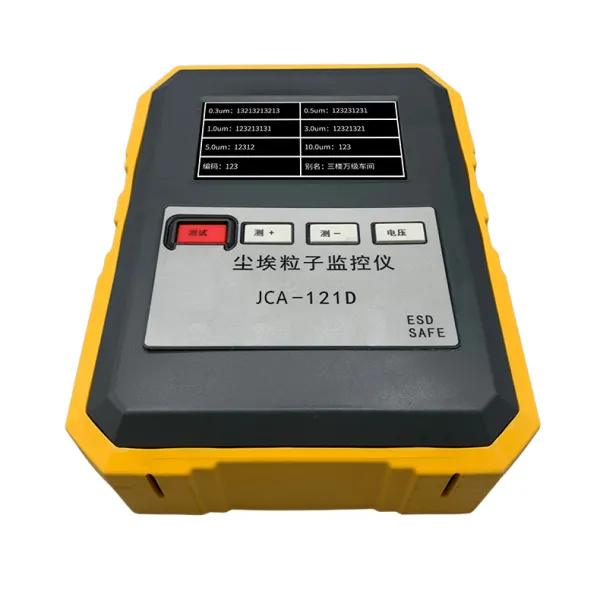
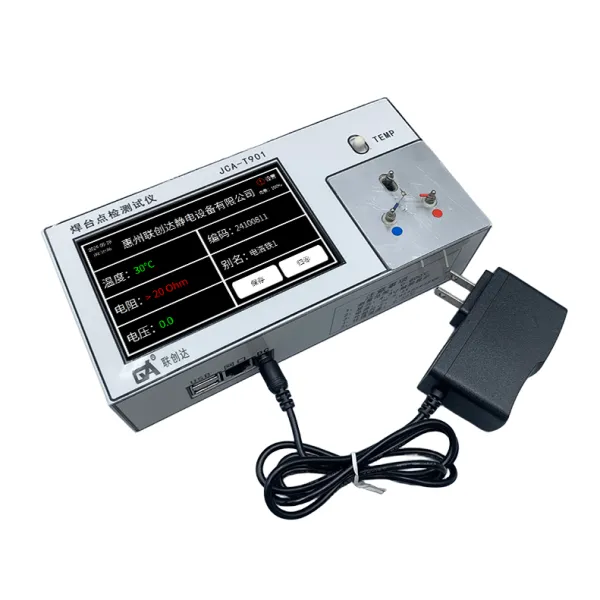
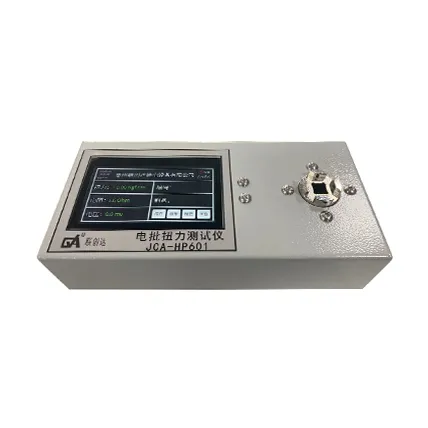
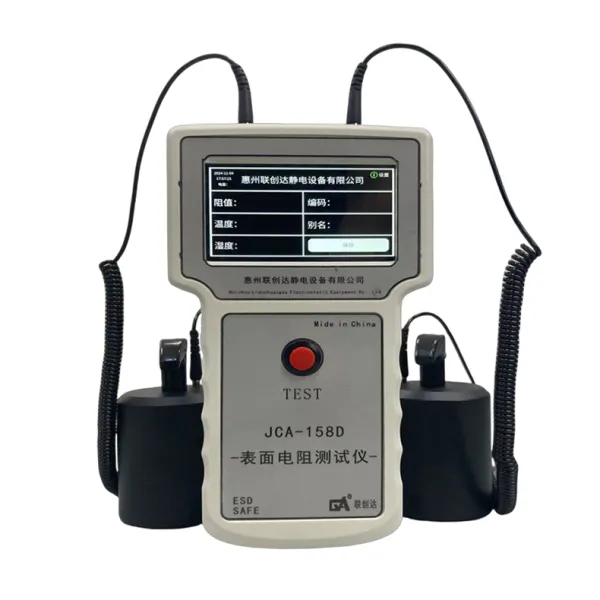
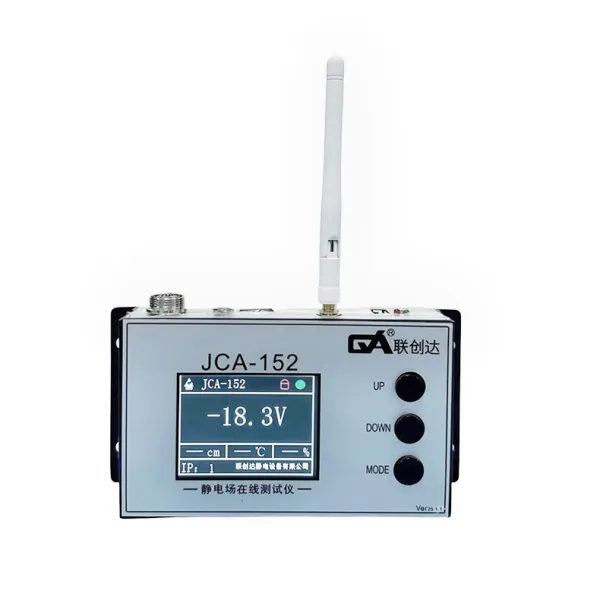








Contact electrostatic voltmeter
Contact Electrostatic Voltmeter: Overview and Applications A contact electrostatic voltmeter is a precision instrument designed to measure electrostatic potentials or voltages by making direct physical contact with the charged surface or object. Unlike non-contact electrostatic voltmeters, which rely on capacitive coupling or field sensing, this type of voltmeter requires direct electrical contact to provide accurate voltage readings. It is widely used in research, industrial, and laboratory settings where precise electrostatic measurements are critical. Working Principle The contact electrostatic voltmeter operates based on the principle of electrostatic induction or direct voltage sensing. When the probe of the voltmeter touches a charged surface, the potential difference between the surface and a reference point (often ground) is measured. The device typically employs a high-impedance input circuit to minimize current draw, ensuring that the measurement does not significantly alter the charge on the object being tested. Key components include: 1. Probe or Sensor – A conductive tip that makes direct contact with the surface. 2. High-Impedance Amplifier – Ensures minimal loading effect on the measured voltage. 3. Display or Output Unit – Provides a digital or analog readout of the measured potential. Advantages - High Accuracy – Direct contact eliminates errors caused by air gaps or non-uniform fields. - Wide Measurement Range – Capable of measuring both low and high voltages (from millivolts to kilovolts). - Stability – Less susceptible to environmental interference compared to non-contact methods. Applications 1. Electrostatic Discharge (ESD) Testing – Used to measure surface voltages on materials prone to static buildup. 2. Semiconductor Manufacturing – Monitors electrostatic potentials on wafers and sensitive electronic components. 3. Material Science Research – Evaluates charge distribution on insulating or conductive materials. 4. Industrial Processes – Ensures safety in environments where static electricity poses a hazard. Limitations - Requires physical contact, which may not be suitable for delicate or moving surfaces. - May introduce slight charge dissipation due to the contact method. Conclusion The contact electrostatic voltmeter is a reliable tool for precise electrostatic measurements, offering high accuracy and stability. Its direct-contact approach makes it ideal for applications where non-contact methods may be less effective. By understanding its working principles and limitations, users can effectively employ this instrument in various scientific and industrial settings.
उत्पाद
वर्गीकरण:
कोई खोज परिणाम नहीं!
समाचार
वर्गीकरण:
कोई खोज परिणाम नहीं!
मामला
वर्गीकरण:
कोई खोज परिणाम नहीं!
वीडियो
वर्गीकरण:
कोई खोज परिणाम नहीं!
डाउनलोड
वर्गीकरण:
कोई खोज परिणाम नहीं!
भरती
वर्गीकरण:
कोई खोज परिणाम नहीं!
अनुशंसित उत्पादों
कोई खोज परिणाम नहीं!



 Whatsapp
 टेलीफ़ोन