


 English
 Español
 Portugues
 Pусский
 Français
 Deutsch
 日本語
日本語 한국어
한국어 العربية
 Italiano
 Nederlands
 Polski
 ไทย
ไทย Türk dili
 Indonesia
 Melayu
 Tiếng Việt
 বাংলা
বাংলা- HOME
-
PRODUCTS
-
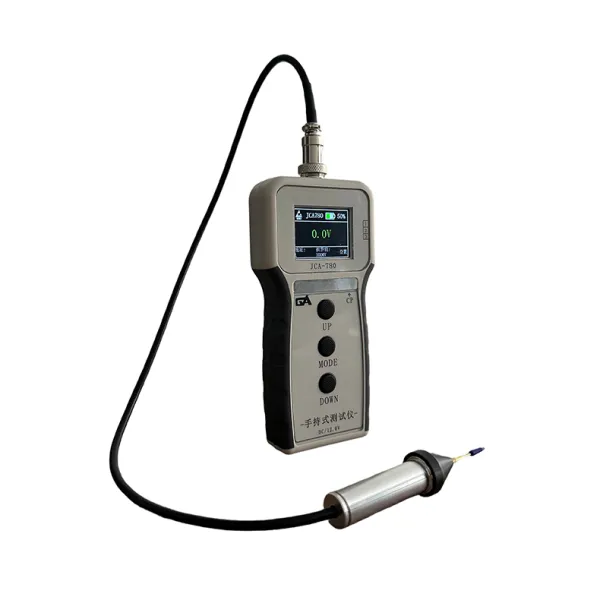 Portable Compact Isolated Conductor Tester - Precise Static Voltage Meter with Touchscreen Operation
 -
 Touch-Operated Handheld ESD Tester - Accurate Static Detection Instrument
 -
 Anti-Static High-Frequency Smart Soldering Station - Industrial-Grade Lead-Free Soldering Iron for Electronic Repair
 -
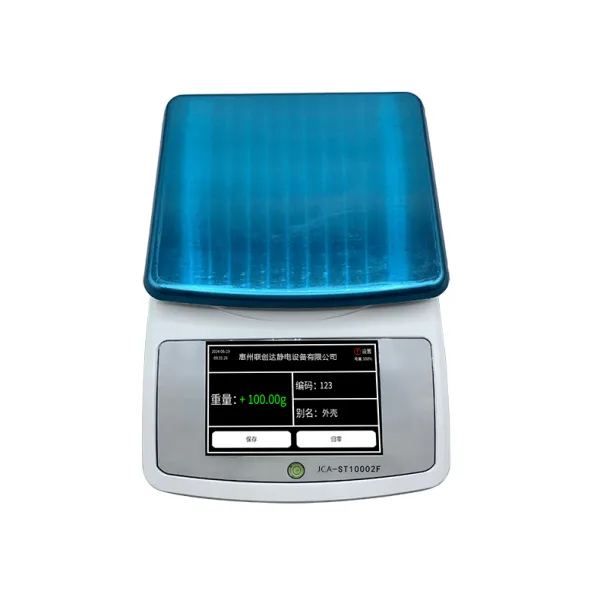 Lightweight Precision Industrial Scale - Portable High-Precision Weighing, QR Code Data Recording
 -
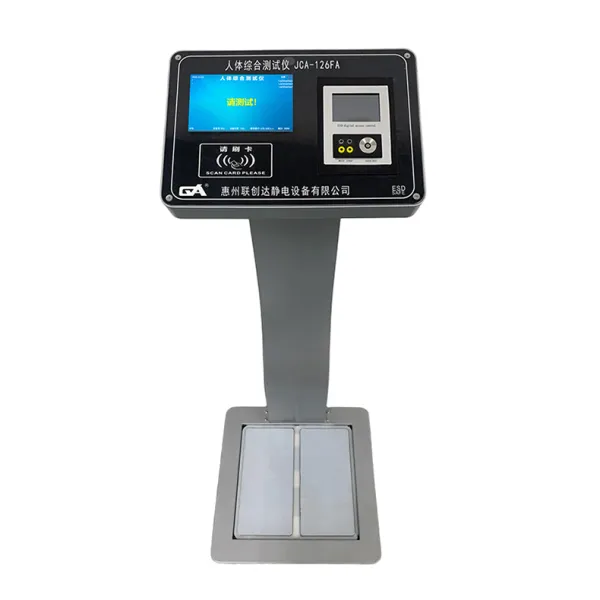 Pro ESD Human Body Comprehensive Tester - Anti-Static Access Gate with Biometric & Card Recognition
 -
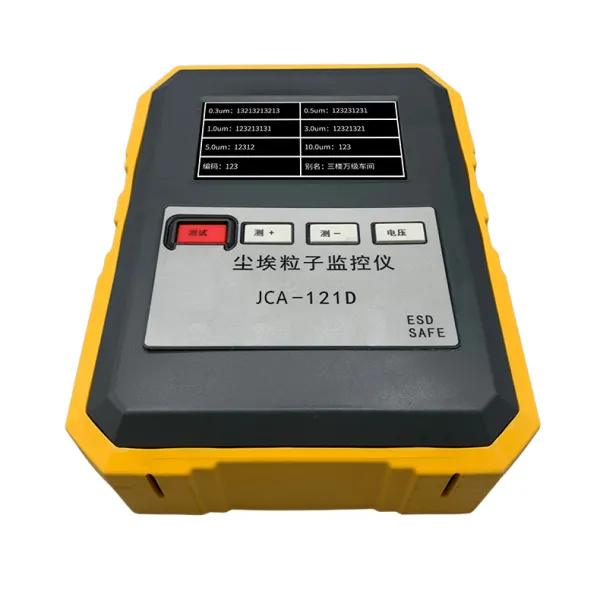 Lianchuangda Portable Particle Counter - Cleanroom-Specific Air Cleanliness Tester
 -
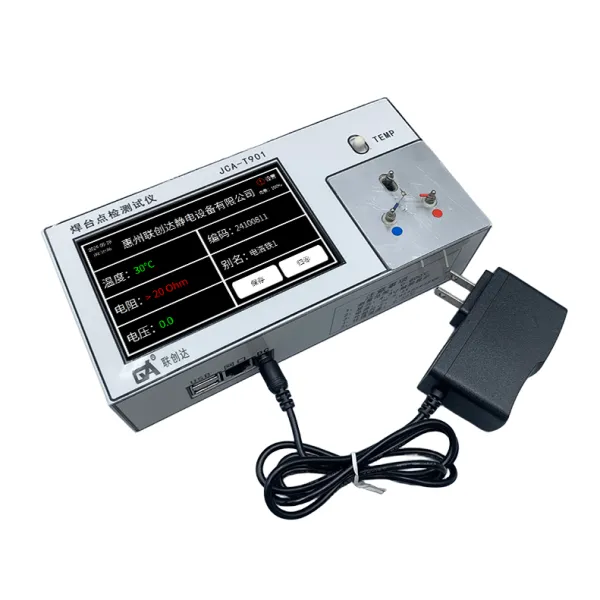 Lianchuangda Environmental Pressure Tester Wireless Digital Display & Grounding Monitoring
 -
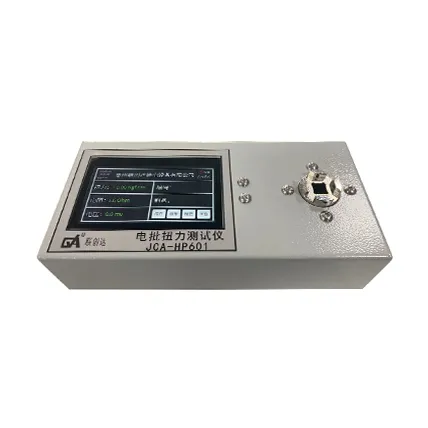 Digital Electric Screwdriver Torque Tester - Precise Measurement, Smart Data Storage
 -
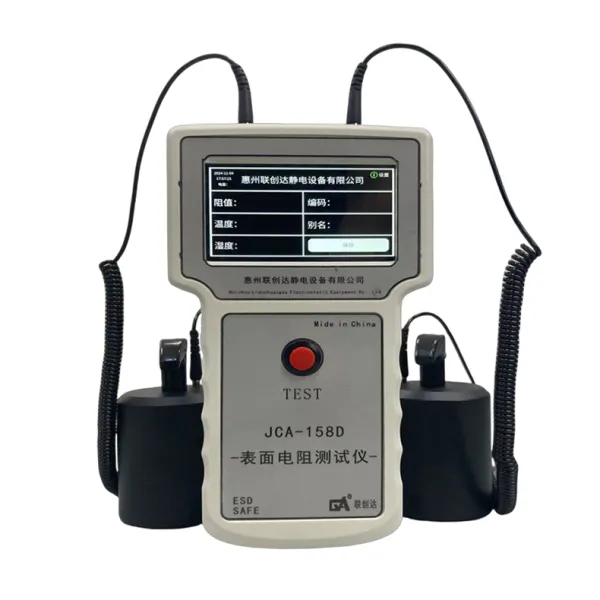 Portable Hammer Surface Resistance Tester - Smart Industrial Megohmmeter with Data Networking
 -
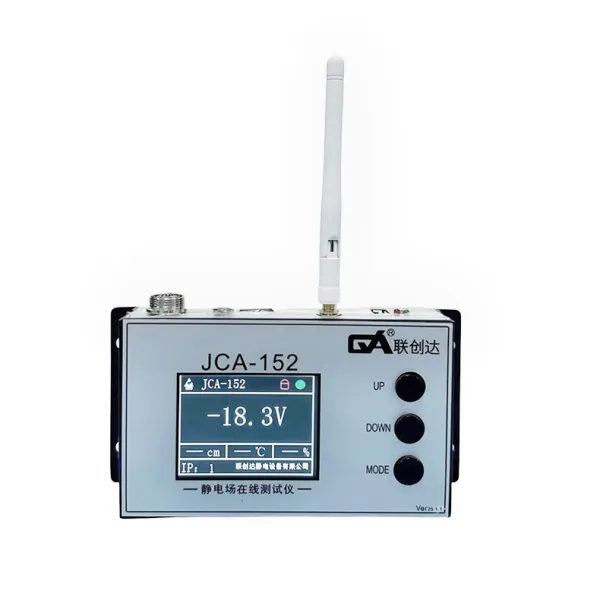 Wireless ESD Field Tester - Real-Time Voltage Monitoring, Easy Installation & Visual Operation
 -
 Color Screen Wireless Ion Fan Static Tester with Voltage Measurement & Data Transmissio
 -
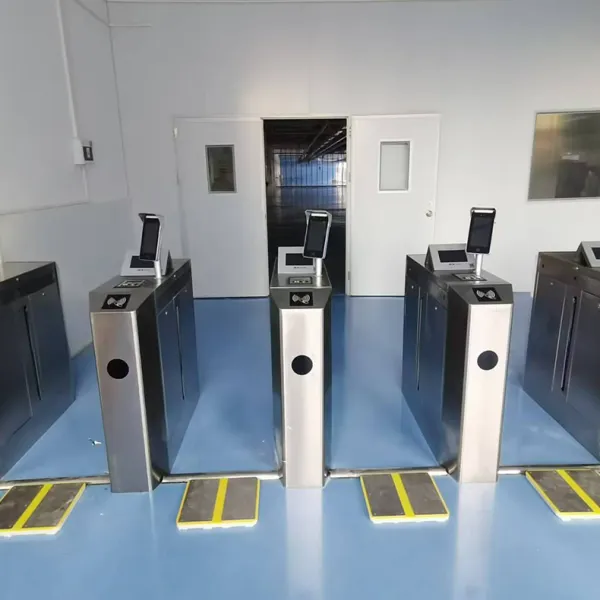 Lianchuangda Test Anti-static Access Control Turnstile JCA-S106 Supports MySQL Database
 -
 Suspended 3-Head DC Ion Fan - Smart Quiet Static Eliminator, Customizable
 -
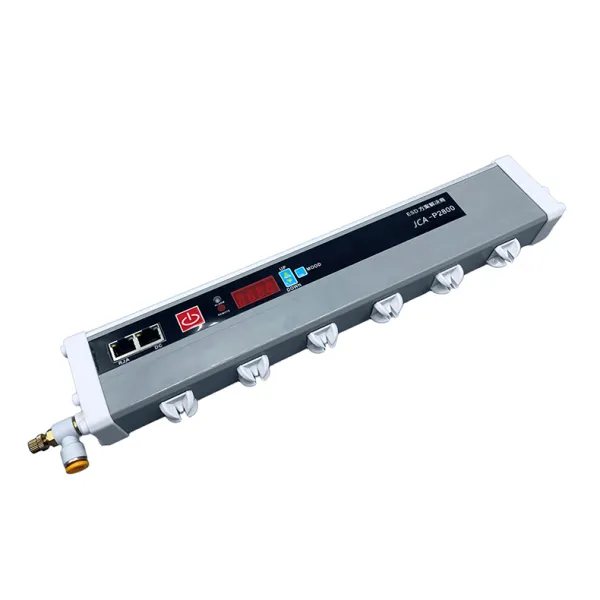 Pulse-Type ESD Ion Air Bar - Industrial-Specific Static Eliminator for ESD Removal
 -
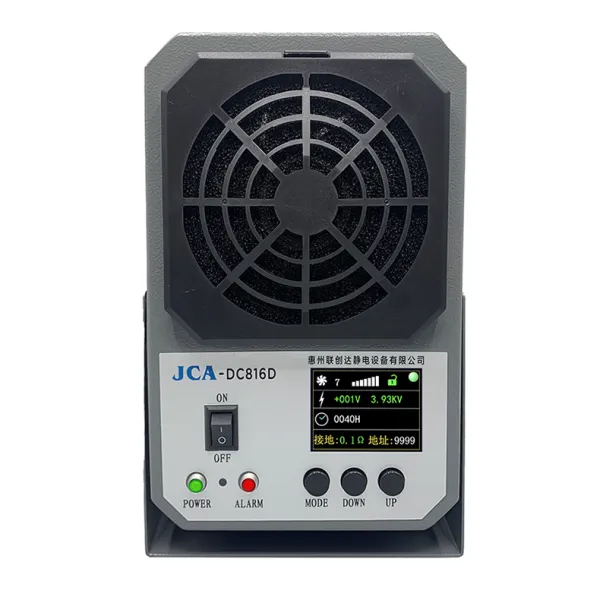 Lianchuangda Smart DC Ion Fan - Industrial-Grade Static Elimination for Factory Workshops
 -
 Desktop DC Single-Head Ion Fan - Professional Static Eliminator with Wireless Network Connectivity
 -
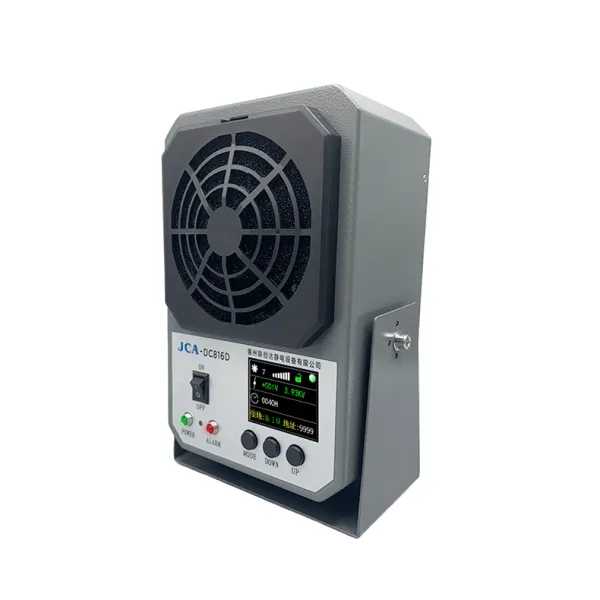 Intelligent DC Ion Fan Manufacturer Workshop Electronic Anti-Static Industrial-Grade Static Elimination Equipment
 -
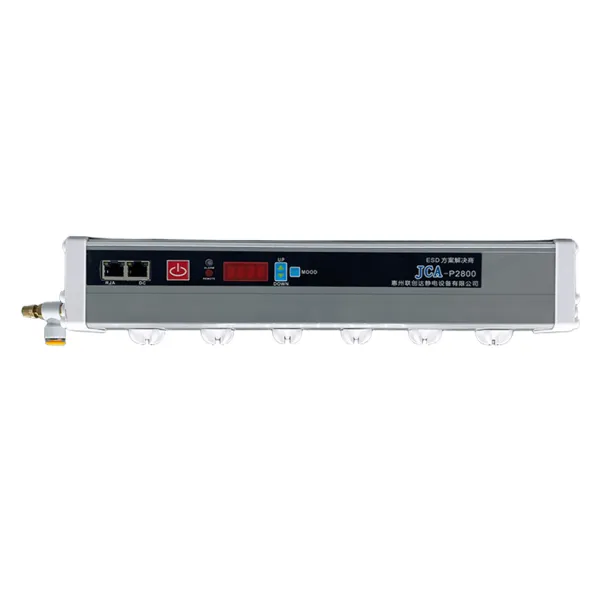 Industrial Static Elimination Pulse-type Anti-static Ion Air Bar Static Eliminator
 -
 2.2-inch color screen three-air outlet ion fan static protection eliminates static electricity
 -
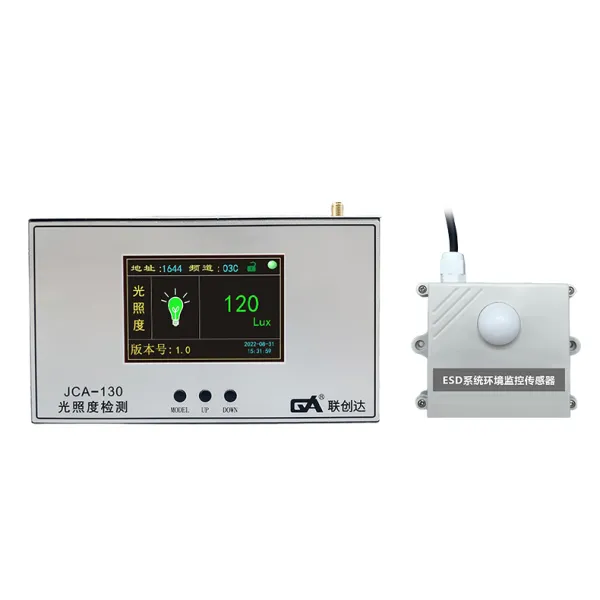 3.5 Inch Color LCD Wireless Digital Lux Meter - High-Precision Environmental Detector with Network Connectivity
 -
 Smart Wireless Noise Detection Alarm System - Digital Tester for Environmental Monitoring with Networking
 -
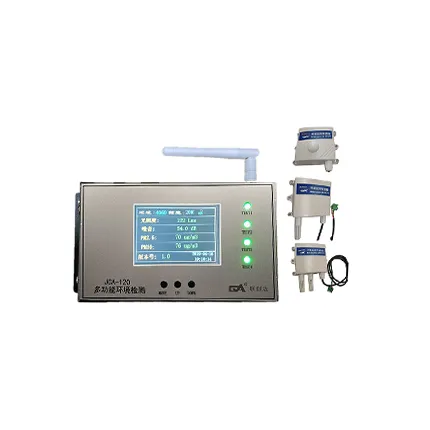 3.5 Inch Color LCD Wireless Multi-Functional Environmental Detector - Dust Particle Tester with WiFi Connectivity
 -
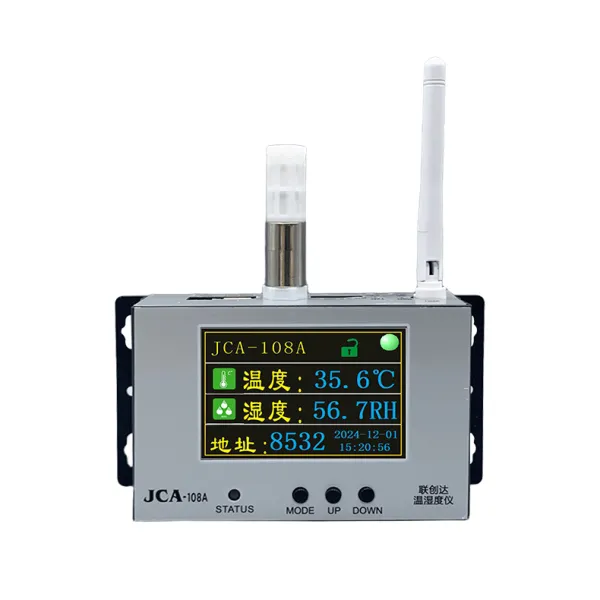 Wireless Temperature & Humidity Monitor - Smart Recorder with Remote Query & Data Transmission
 -
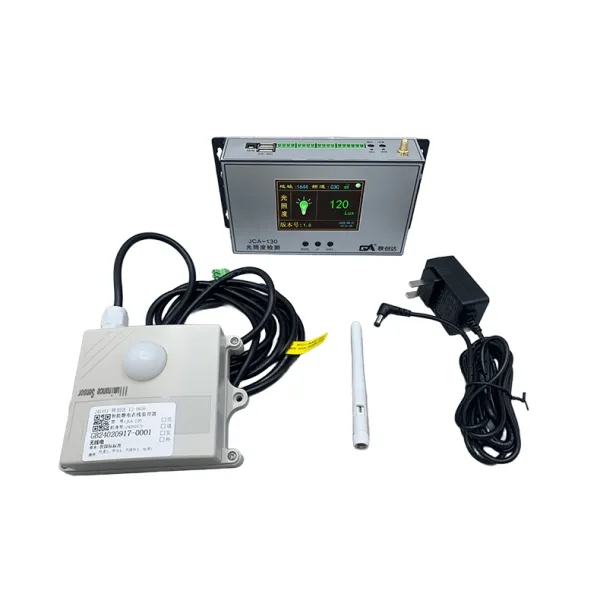 Lianchuangda Wireless Digital Display Illuminance Tester - 3.5-inch LCD Color Screen Dynamic Display High-Precision Environmental Tester
-
- ABOUT US
- NEWS
- SOLUTION
- CONTACT



 Whatsapp
 टेलीफ़ोन
टिप्पणी
(0)