In-Depth Analysis of Electrostatic monitoring systems for ESD-Protected Areas
In industries highly sensitive to electrostatic discharge (ESD), such as electronics manufacturing, semiconductors, and pharmaceutical chemicals, the ESD-Protected Area (EPA) is a core zone for ensuring product quality and production safety. A modern electrostatic monitoring system has evolved beyond simple wrist strap checks into an intelligent network integrating real-time monitoring, smart alerts, data traceability, and system linkage.
ESD-Protected Area (EPA) & Monitoring System Composition
An Electrostatic Protected Area (EPA) is a designated space equipped with various anti-static materials and equipment to control the generation and accumulation of static electricity within safe limits. Within this area, all elements—including workstations, flooring, personnel, and equipment—must meet specific anti-static requirements.
A comprehensive online ESD monitoring system functions like a tireless "Safety Director," operating through a three-layer structure: Perception Layer, Transmission Layer, and Application Layer.
1. Perception Layer: The System's "Sensory Nerves"
This layer consists of monitoring devices deployed at key points within the EPA, serving as the source of all system data:
Personnel Monitoring: Real-time verification that operators are correctly wearing anti-static wrist straps with effective grounding.
Equipment & Workstation Monitoring: Continuous checks on the grounding status of anti-static mats, soldering irons, instruments, etc.
Environmental Static Monitoring: Use of electrostatic field meters and similar devices to monitor the buildup of electrostatic charges in the environment.
2. Transmission Layer: The System's "Information Highway"
This layer is responsible for reliably transmitting data from the Perception Layer to the upper-level systems. Common solutions include:
Wired Transmission (e.g., RS485): Offers high stability, suitable for workshops with strong interference or fixed layouts.
Wireless Transmission (e.g., RF433, Zigbee, Wi-Fi): Provides flexible deployment, ideal for production lines that require frequent adjustments or where extensive cabling is impractical.
3. Application Layer: The System's "Intelligent Brain"
This layer processes, displays data, and triggers responses:
Alert Terminals: Immediate notification of anomalies via audible/visual alarms on-site, LED display boards, or even mobile apps/WeChat.
Background Management Software: The core of the system, responsible for data storage, analysis, report generation, and supporting integration with upper-level management systems like MES (Manufacturing Execution System) for data traceability and full-process quality control.
Core Value of a Modern Electrostatic Monitoring System
Compared to traditional manual periodic checks, a modern online monitoring system represents a fundamental shift:
From "Reactive Remediation" to "Real-Time Protection": The system provides 24/7 uninterrupted monitoring. Upon detecting an anomaly (e.g., broken wrist strap, excessive grounding resistance), it triggers an alarm within milliseconds, allowing intervention before ESD damage occurs.
From "Passive Recording" to "Proactive Alerting & Traceability": All recorded data can be used to trace and analyze the source of ESD-related defects. If a product fails due to ESD, historical data from the relevant production line can be queried to pinpoint the incident's root cause.
From "Isolated Point Management" to "System Integration": The system can integrate with other systems (e.g., access control), potentially triggering automatic safeguards when a high-risk state is detected. Monitoring data can also be logged within the MES for comprehensive traceability and analysis.
Enhanced Management Efficiency & Reduced Overall Cost: The system automatically generates comprehensive reports, saving significant time spent on manual recording and troubleshooting. By preventing product scrap and equipment damage caused by ESD, it directly contributes to cost reduction and efficiency improvement.
Key Considerations for Selecting and Deploying a System
When choosing and deploying a system for your environment, focus on these key aspects:
Define Core Monitoring Needs
If the primary focus is personnel monitoring, devices for real-time wrist strap monitoring are essential.
For comprehensive workstation monitoring, select multi-channel monitors that can simultaneously track wrist straps, mats, and equipment grounding.
For macro-monitoring of the environmental electrostatic field, deploy dedicated electrostatic field meters or charge plate monitors.
Evaluate Connectivity & Integration Capabilities
Weigh the stability of wired transmission against the convenience of wireless transmission based on your workshop layout and flexibility needs.
If digital management is already implemented, ensure the system offers standard API interfaces for seamless integration with systems like MES.
Focus on User Experience & Maintainability
Opt for systems with clear visual interfaces (e.g., dashboards, electronic maps) and multi-level alert mechanisms to enhance on-site response times.
Understand the system's installation/complexity and ongoing maintenance costs. Modularly designed devices are typically easier to maintain and upgrade later.
Practical Application Scenarios
SMT Assembly Line: Monitor wrist straps and the grounding of tools (e.g., vacuum pens, soldering irons) at each station to prevent ESD damage during chip placement.
Semiconductor Packaging Cleanroom: Beyond station monitoring, deploy environmental static field monitors in critical areas. These can be linked with ionizers to automatically activate them when charge buildup is detected, neutralizing the static.
Pharmaceutical Packaging Area: Monitor static electricity generated by high-speed friction on packaging film. This helps prevent dust attraction (which compromises cleanliness) and ensures product safety.


 English
 Español
 Portugues
 Pусский
 Français
 Deutsch
 日本語
日本語 한국어
한국어 العربية
 Italiano
 Nederlands
 Polski
 ไทย
ไทย Türk dili
 Indonesia
 Melayu
 Tiếng Việt
 বাংলা
বাংলা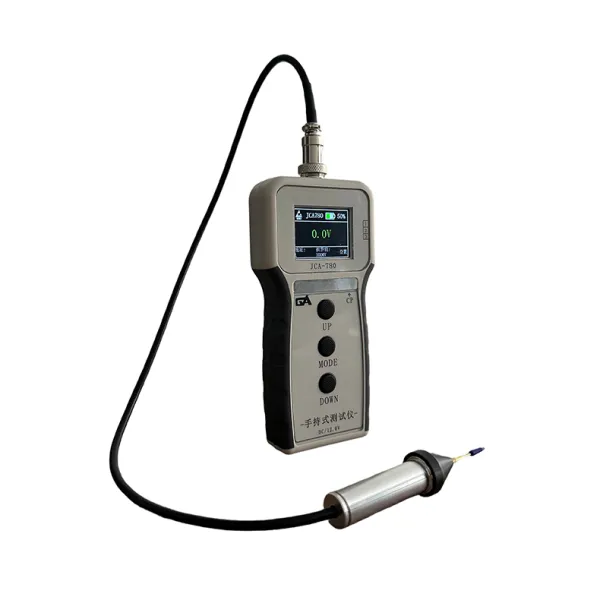 Portable Compact Isolated Conductor Tester - Precise Static Voltage Meter with Touchscreen Operation
 Touch-Operated Handheld ESD Tester - Accurate Static Detection Instrument
 Anti-Static High-Frequency Smart Soldering Station - Industrial-Grade Lead-Free Soldering Iron for Electronic Repair
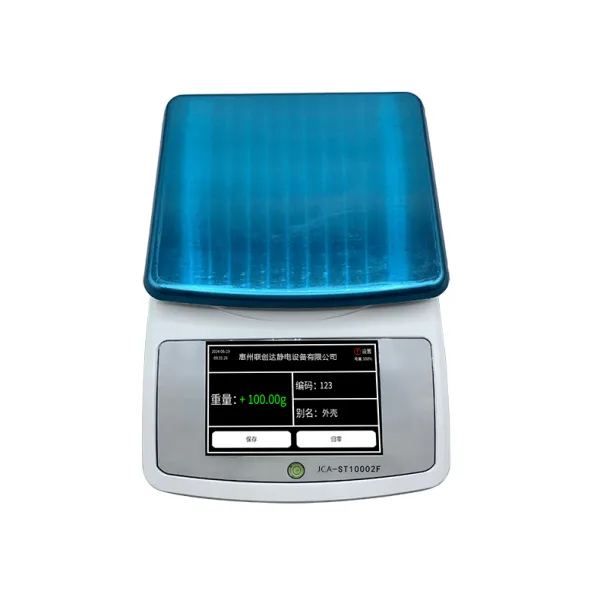 Lightweight Precision Industrial Scale - Portable High-Precision Weighing, QR Code Data Recording
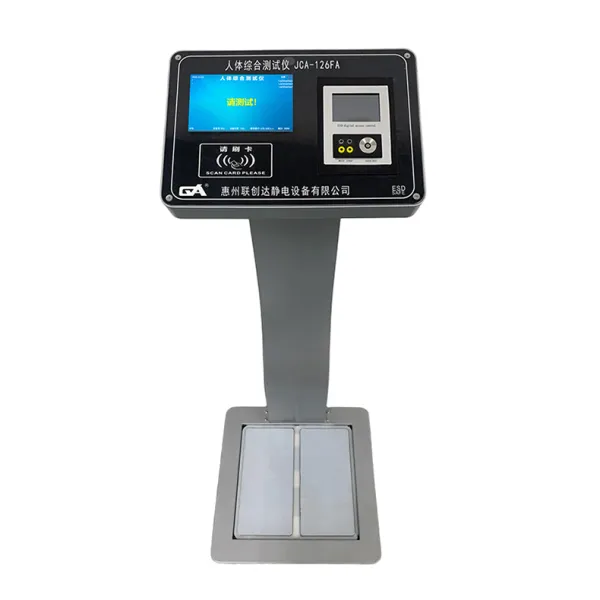 Pro ESD Human Body Comprehensive Tester - Anti-Static Access Gate with Biometric & Card Recognition
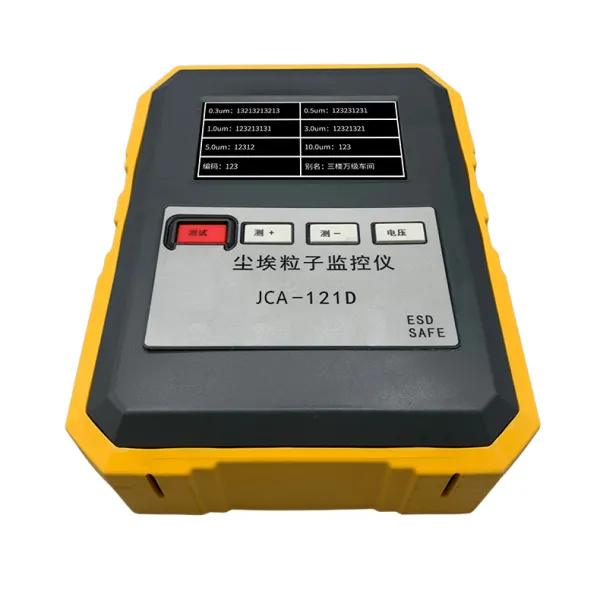 Lianchuangda Portable Particle Counter - Cleanroom-Specific Air Cleanliness Tester
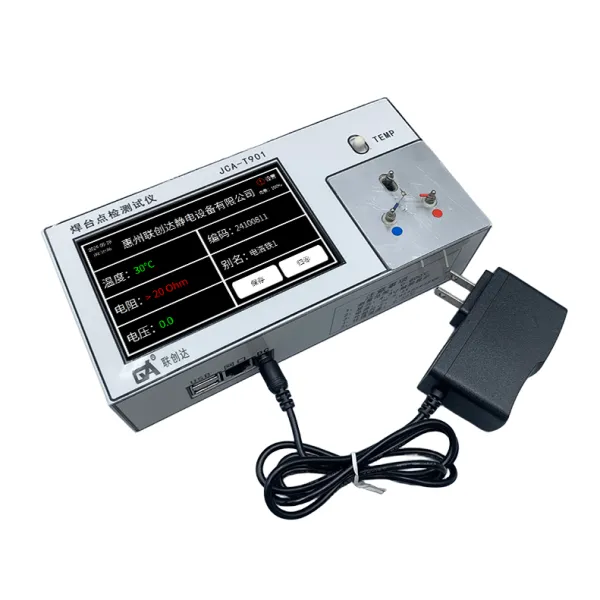 Lianchuangda Environmental Pressure Tester Wireless Digital Display & Grounding Monitoring
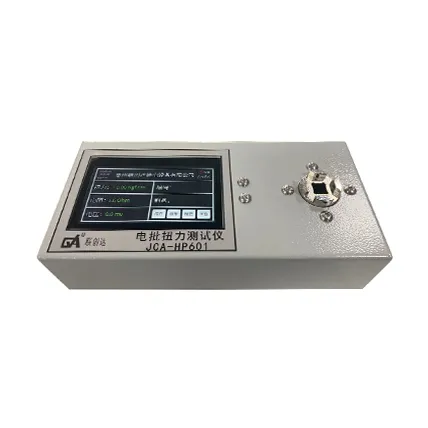 Digital Electric Screwdriver Torque Tester - Precise Measurement, Smart Data Storage
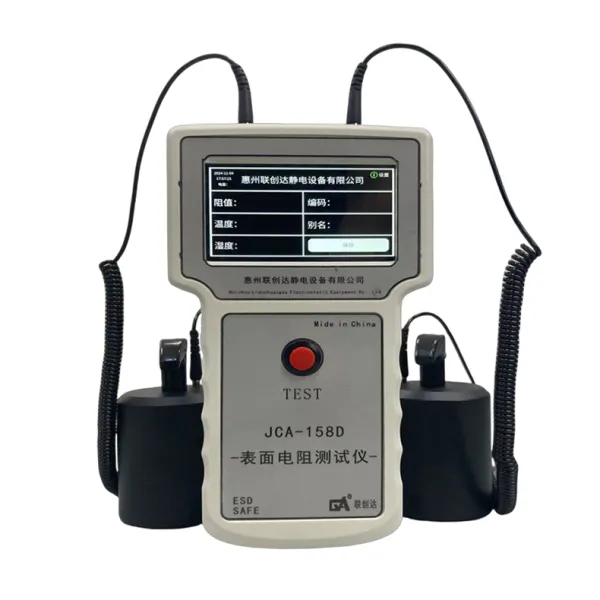 Portable Hammer Surface Resistance Tester - Smart Industrial Megohmmeter with Data Networking
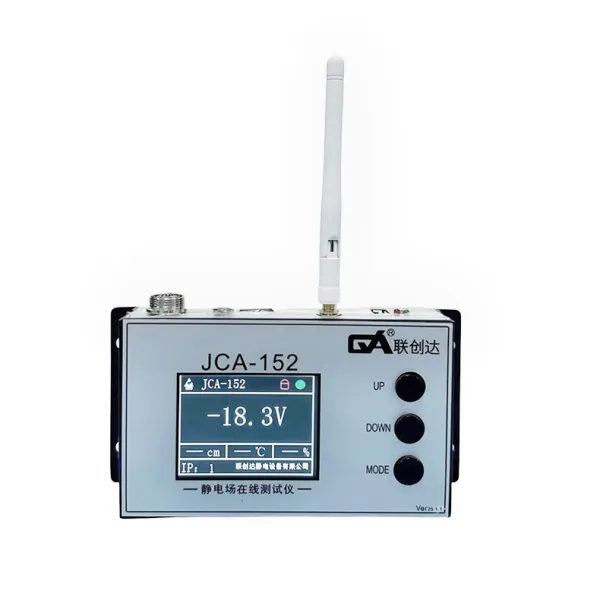 Wireless ESD Field Tester - Real-Time Voltage Monitoring, Easy Installation & Visual Operation
 Color Screen Wireless Ion Fan Static Tester with Voltage Measurement & Data Transmissio
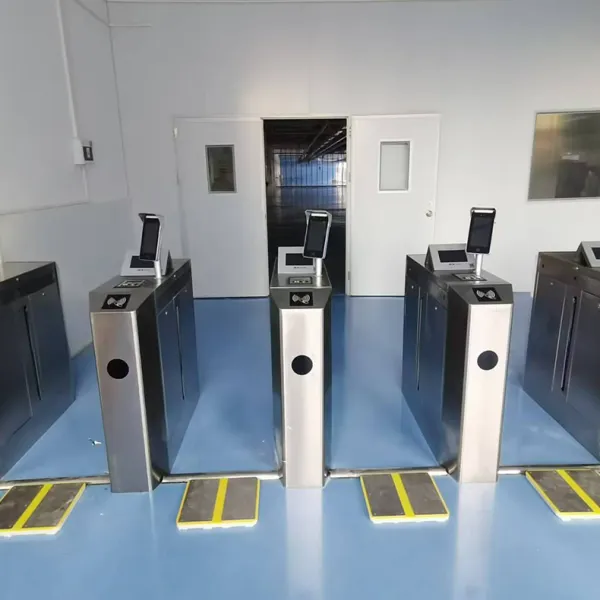 Lianchuangda Test Anti-static Access Control Turnstile JCA-S106 Supports MySQL Database
 Suspended 3-Head DC Ion Fan - Smart Quiet Static Eliminator, Customizable
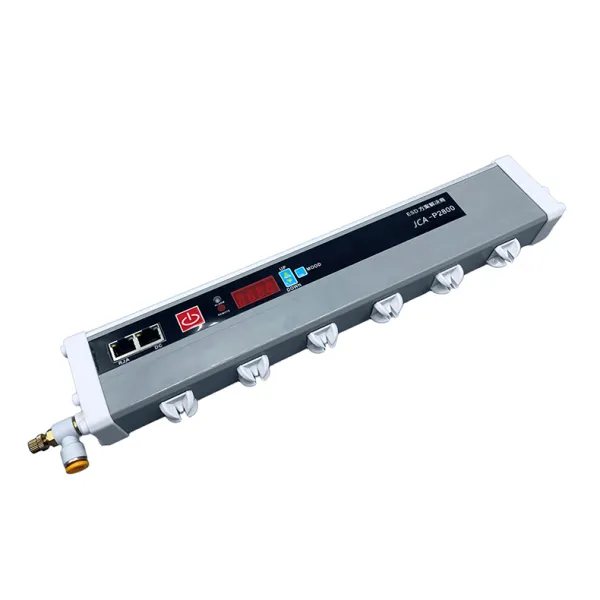 Pulse-Type ESD Ion Air Bar - Industrial-Specific Static Eliminator for ESD Removal
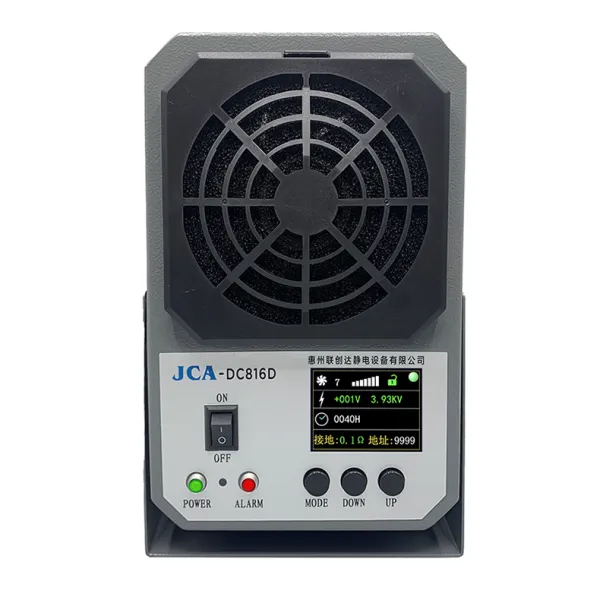 Lianchuangda Smart DC Ion Fan - Industrial-Grade Static Elimination for Factory Workshops
 Desktop DC Single-Head Ion Fan - Professional Static Eliminator with Wireless Network Connectivity
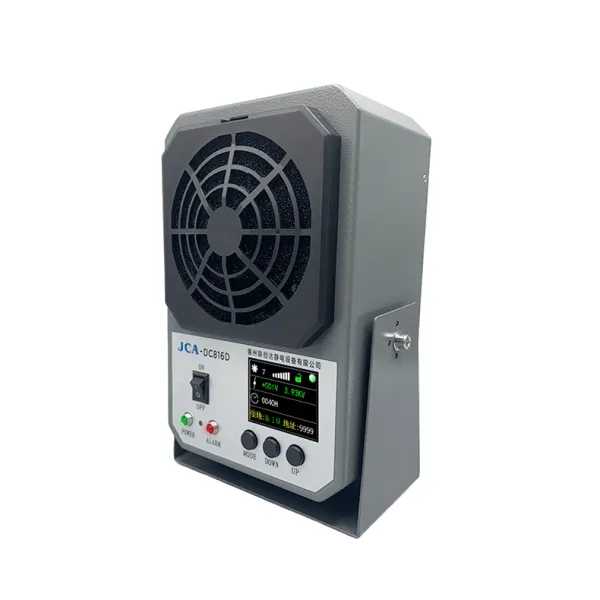 Intelligent DC Ion Fan Manufacturer Workshop Electronic Anti-Static Industrial-Grade Static Elimination Equipment
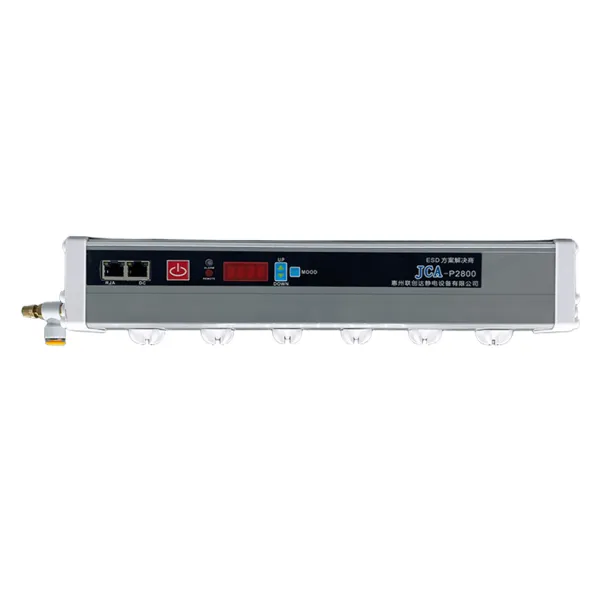 Industrial Static Elimination Pulse-type Anti-static Ion Air Bar Static Eliminator
 2.2-inch color screen three-air outlet ion fan static protection eliminates static electricity
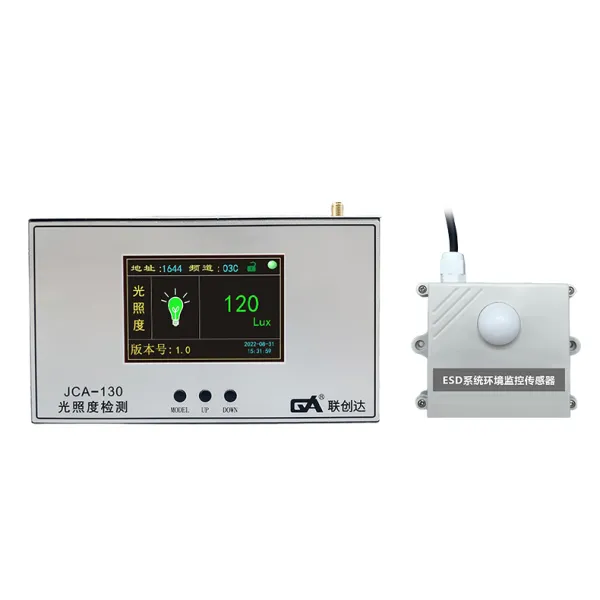 3.5 Inch Color LCD Wireless Digital Lux Meter - High-Precision Environmental Detector with Network Connectivity
 Smart Wireless Noise Detection Alarm System - Digital Tester for Environmental Monitoring with Networking
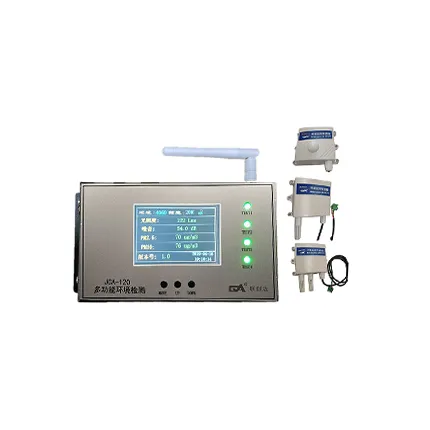 3.5 Inch Color LCD Wireless Multi-Functional Environmental Detector - Dust Particle Tester with WiFi Connectivity
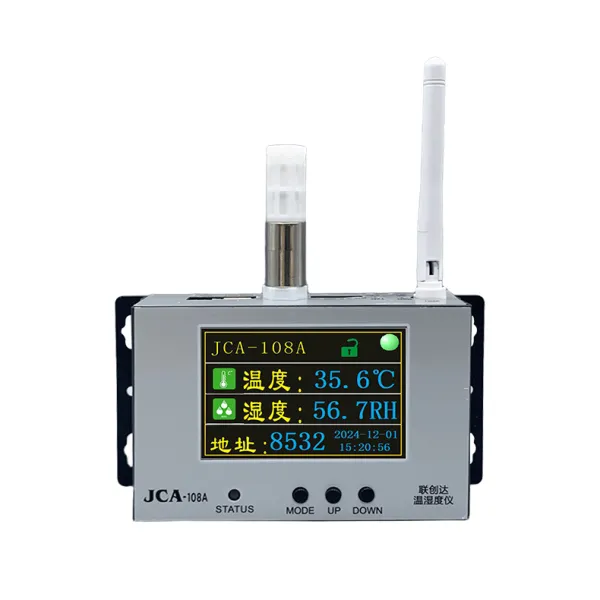 Wireless Temperature & Humidity Monitor - Smart Recorder with Remote Query & Data Transmission
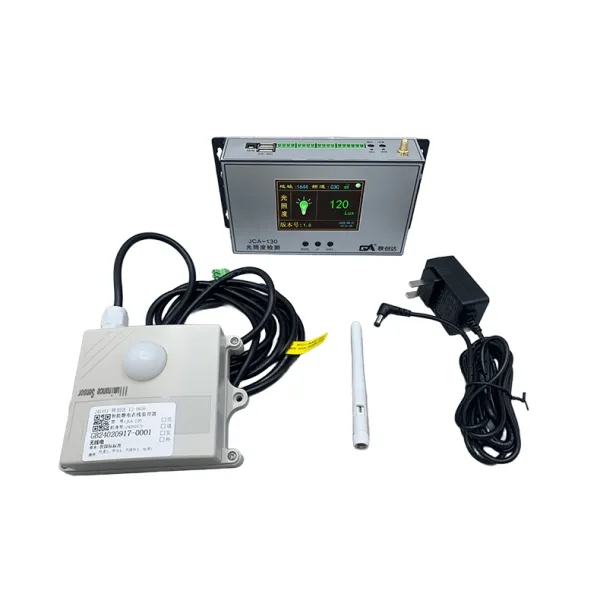 Lianchuangda Wireless Digital Display Illuminance Tester - 3.5-inch LCD Color Screen Dynamic Display High-Precision Environmental Tester



 Whatsapp
 टेलीफ़ोन
टिप्पणी
(0)